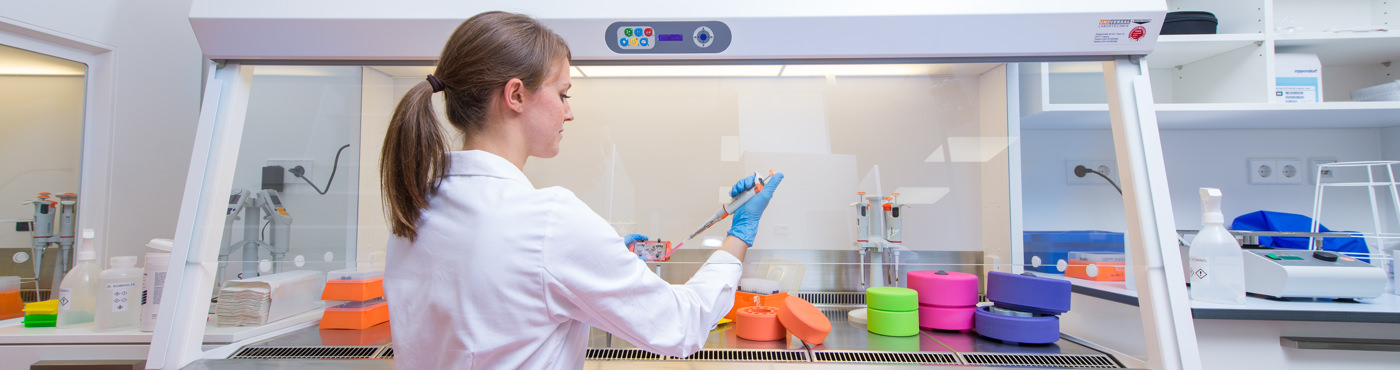
Dr Lauster's Team (Berlin University of Technology)

Collapse
X
 
  • Time
  • Show
Clear All
new posts

  • hellouser
    replied
    Originally posted by hgs1989
    I think because the transplanted hair comes with its own tissue that includes a fatty layer.
    So why not do fat grafting along with cultured DP or DSC cells?

    Leave a comment:


  • Kudu
    replied
    Originally posted by BoSox
    Where's this website?


    If that's what your talking about.

    Leave a comment:


  • hgs1989
    replied
    Originally posted by Sogeking
    So how come HTS work then? Basically thats what "simply implanting follicles into the scalp skin", means.
    I think because the transplanted hair comes with its own tissue that includes a fatty layer.

    Leave a comment:


  • hellouser
    replied
    Originally posted by Sogeking
    So how come HTS work then? Basically thats what "simply implanting follicles into the scalp skin", means.
    Truth.

    Leave a comment:


  • Sogeking
    replied
    Originally posted by nameless
    What's worse is that simply implanting follicles into the scalp skin will probably not cure hair loss. The fatty tissue in skin supplies the nutrients to hair that makes hair grow and this fatty tissue in balding scalp is reduced so your follicles will get less nutrients. I don't think that simply implanting the follicles into skin is going to work unless you first do something to repair the fatty tissue in the skin.

    I think that the Berlin treatment will fail unless they repair the skin (add fat tissue, rich in adipose derived stem cells) before they implant the follicles.
    So how come HTS work then? Basically thats what "simply implanting follicles into the scalp skin", means.

    Leave a comment:


  • BoSox
    replied
    Where's this website?

    Leave a comment:


  • nameless
    replied
    What's worse is that simply implanting follicles into the scalp skin will probably not cure hair loss. The fatty tissue in skin supplies the nutrients to hair that makes hair grow and this fatty tissue in balding scalp is reduced so your follicles will get less nutrients. I don't think that simply implanting the follicles into skin is going to work unless you first do something to repair the fatty tissue in the skin.

    I think that the Berlin treatment will fail unless they repair the skin (add fat tissue, rich in adipose derived stem cells) before they implant the follicles.

    Leave a comment:


  • HairIsLife
    replied
    Not only did they not meet their deadline for a so called cure, they couldn't even meet their deadline for making the supposed HM website. Yeap, sounds like the hair loss industry to me.

    Leave a comment:


  • nameless
    replied
    Originally posted by joachim
    so you refer to the statement from 2010 only?
    didn't you see their last presentation which desmond brought us?
    they are still many years away. not created a terminal hair yet. but then someone said they are starting in-men trials soon.
    i don't know what they are up to. they could have a cure right now or could be 10 years away. nobody knows. we really need some insider info on that. if we only could have a contact to a TU berlin student.
    I suspect that they have a near-follicle and they are hoping by implanting it the signals from the skin will complete the development process. By signals I mean growth factors and proteins from fat stem cells. But the problem is that fat stem have reduced in balding skin so they will have to increase the amount of fat stem cells in the skin first. Then the problem becomes whether or not the fat cells will remain in the local area or if they will migrate throughout the body.

    Leave a comment:


  • joachim
    replied
    Originally posted by BoSox
    Scientists in Germany have revealed that they are very close to finding a cure for hair loss.

    Researchers at the Berlin Technical University have been developing a new cure, which involves using stem cells to create new hair follicles; this is the first time scientists have been able to create artificial hair follicles. The research team is confident that they will have cure for hair loss within the next five years.

    If this was back in 2010, then we MUST be close to a cure. 2015 is around the corner. It's time they backed up their claims.
    so you refer to the statement from 2010 only?
    didn't you see their last presentation which desmond brought us?
    they are still many years away. not created a terminal hair yet. but then someone said they are starting in-men trials soon.
    i don't know what they are up to. they could have a cure right now or could be 10 years away. nobody knows. we really need some insider info on that. if we only could have a contact to a TU berlin student.

    Leave a comment:


  • BoSox
    replied
    Scientists in Germany have revealed that they are very close to finding a cure for hair loss.

    Researchers at the Berlin Technical University have been developing a new cure, which involves using stem cells to create new hair follicles; this is the first time scientists have been able to create artificial hair follicles. The research team is confident that they will have cure for hair loss within the next five years.

    If this was back in 2010, then we MUST be close to a cure. 2015 is around the corner. It's time they backed up their claims.

    Leave a comment:


  • sascha
    replied
    Originally posted by Sogeking
    How do you know this? I am asking sincerely, not being snide...
    Hello. I asked my tutor, he worked on some projects himself, not as a scientist, but as an IT person related to a scientific project. Some simple wiki-searches about the EMA says the same thing as he did, so must be true in some ways. But all of us should do the research on their own, do not believe me just because I say this.

    Leave a comment:


  • Sogeking
    replied
    Originally posted by sascha
    ...
    The difference is that the FDA is centralized, the EMA is not. A rule of thumb is that where the FDA needs 250 days to work through a protocol, the EMA needs 100 to 105 days.
    How do you know this? I am asking sincerely, not being snide...

    Leave a comment:


  • sascha
    replied
    Originally posted by joachim
    sounds good. i wasn't aware of that. can you elaborate a bit on that? are there not 3 phases defined by the EMA? or are they just shorter?
    There are the same 6 phases(but what most of us did never understand is that not the FDA or EMA chooses the length of such a phase - the company/institute chooses the length, the FDA/EMA just gives vague timelines).
    The difference is that the FDA is centralized, the EMA is not. A rule of thumb is that where the FDA needs 250 days to work through a protocol, the EMA needs 100 to 105 days.
    So do net let anyone tell you about 5,8,10,12,15,20,30 or 50 year timelines...And also do not believe me, do your independent research if you are interested.
    I firmly believe in the crook-mentality of these rich people that when they smell money they throw every concern over board and bring a good treatment through this process as fast as possible. And if nothing happens it means that the product is not ready yet...So what will you do? You and I can't do anything, unless someone starts an ALS-IceBucket-ish "Shave your head, if you made fun of a bald human being once"-Challenge.

    Leave a comment:


  • joachim
    replied
    Originally posted by sascha
    Sure, but the decisions made by the EMA take less than half of these US-smugs.
    sounds good. i wasn't aware of that. can you elaborate a bit on that? are there not 3 phases defined by the EMA? or are they just shorter?

    Leave a comment:

Working...